

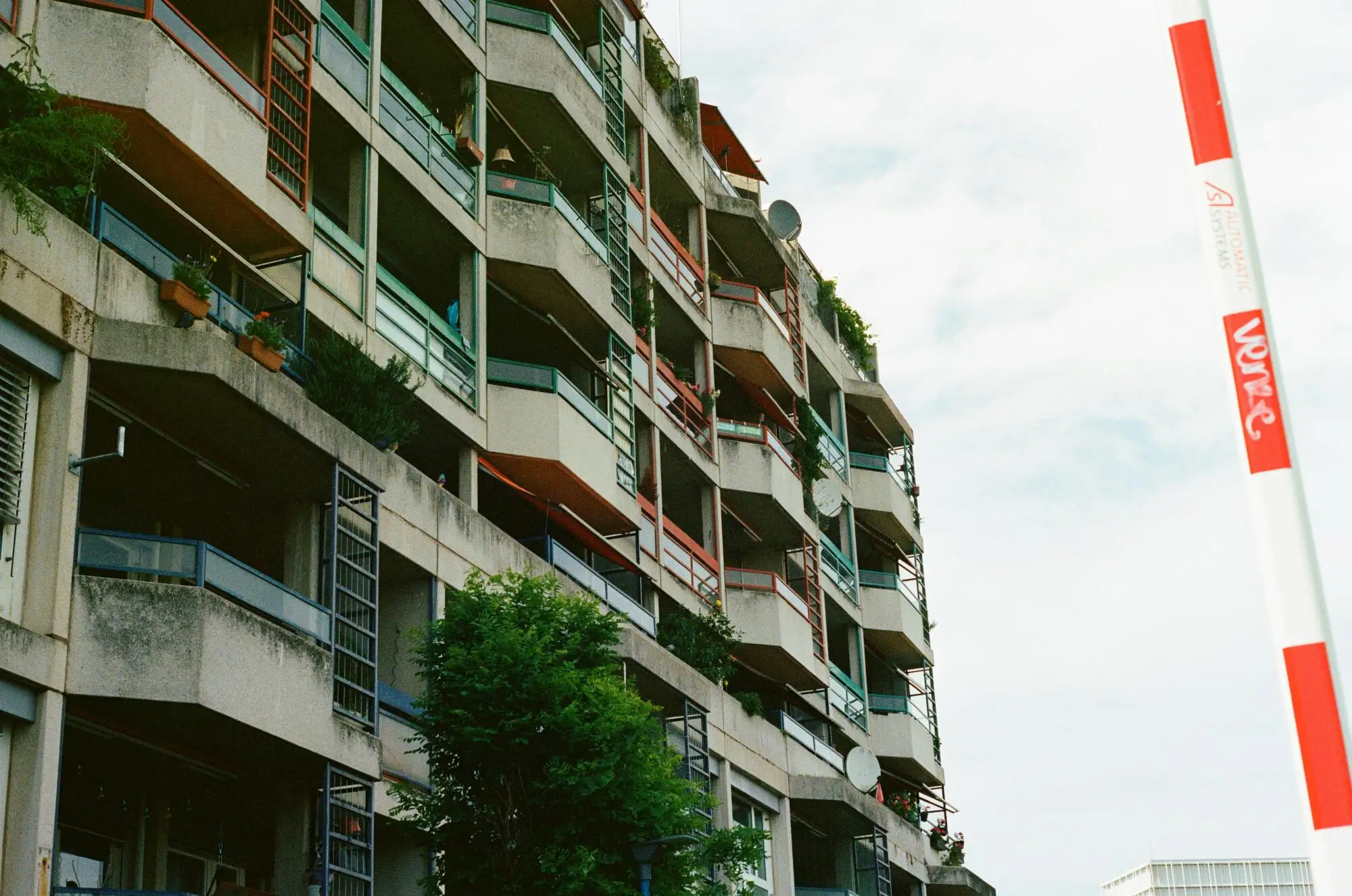
Effective strategies for increasing tenant lease renewals in Merritt Island include responsive maintenance, clear communication, competitive renewal pricing, and offering small incentives that reinforce long-term value and satisfaction.
Keeping good tenants in place is often more profitable than constantly filling vacancies, especially in a market like Merritt Island, where renters value stability and community.
From maintenance delays to unclear renewal terms, small frustrations can quietly push tenants to start looking elsewhere when a lease ends.
Effective lease renewal strategies focus on proactive communication, timely service, and showing tenants that staying offers real value compared to moving.
If you're managing rental property in Merritt Island, understanding how to encourage renewals can help protect cash flow, reduce turnover costs, and build long-term rental stability.
Why Do Tenant Lease Renewals Matter for Landlords?
Tenant lease renewals play a major role in protecting profitability and reducing risk for landlords. Keeping a reliable tenant in place helps avoid vacancy loss, marketing costs, and the expenses that come with preparing a unit for a new renter.
Renewals also create more predictable cash flow and reduce operational disruptions. When tenants stay longer, landlords benefit from fewer turnovers, more stable income, and less time spent addressing leasing gaps.
Why Do Tenants Choose to Renew or Leave?
Most tenants decide whether to renew based on their overall experience, not just the rent price. Factors such as maintenance responsiveness, communication, and how respected they feel throughout the lease term often carry significant weight.
Addressing small issues early and understanding tenant expectations can make a meaningful difference. When landlords focus on consistency and responsiveness, tenants are more likely to view renewal as the easiest and most comfortable option.
Communicate Early and Clearly About Lease Renewals
Early communication sets the tone for a smooth lease agreement renewal. Reaching out well before the lease end date gives tenants time to plan and reduces uncertainty about their housing situation.
Clear timelines, transparent terms, and consistent follow-up help prevent last-minute decisions driven by stress or confusion. When tenants feel informed and respected, they're more likely to view renewal as a positive step rather than an obligation.
Maintain the Property Proactively
Proactive maintenance shows tenants that their comfort and safety are a priority. Addressing repairs quickly and performing regular inspections helps prevent small issues from becoming ongoing frustrations.
Well-maintained properties encourage tenants to stay because they feel valued and confident in their living environment. Consistent upkeep reinforces trust and supports higher renewal rates over time.
Offer Competitive and Fair Renewal Pricing
Renewal pricing plays a key role in whether tenants decide to stay or start searching elsewhere. Rent increases that align with local market conditions are easier for tenants to understand and accept.
Being transparent about how renewal rates are determined helps build trust and reduces resistance. When tenants feel pricing is fair and predictable, they are more likely to see renewal as a reasonable and stable choice.
Create a Positive Tenant Experience Year-Round
Lease renewals are often decided long before renewal conversations begin. Everyday interactions, such as how requests are handled, how communication is delivered, and how issues are resolved, shape a tenant's overall perception of the rental.
When tenants feel respected, heard, and supported throughout the year, renewal becomes the natural choice. A consistently positive experience builds loyalty and reduces the likelihood of tenants exploring other options.
Use Small Incentives to Encourage Lease Renewals
Thoughtful incentives can tip the balance when tenants are deciding whether to renew. Small gestures such as a minor upgrade, professional cleaning, or flexible lease terms often cost less than vacancy and turnover.
These incentives signal appreciation and reinforce the value of staying put. When used strategically, they can strengthen relationships and improve renewal rates without significantly impacting profitability.
Know When Lease Renewal Patterns Signal Bigger Issues
Consistently low renewal rates can indicate underlying problems that need attention. Frequent move-outs may point to maintenance delays, communication gaps, or pricing misalignment rather than tenant preferences alone.
Reviewing renewal patterns helps landlords identify trends and address root causes early. Making targeted improvements based on this feedback can strengthen tenant satisfaction and improve long-term retention.
How Property Management Supports Higher Renewal Rates
Professional property management creates consistency that encourages tenants to stay longer. Structured systems for maintenance, communication, and lease administration reduce frustration and ensure issues are handled promptly and fairly.
Property managers also monitor renewal timelines, pricing trends, and tenant feedback, allowing problems to be addressed before they impact retention. This proactive approach helps turn lease renewals into a predictable part of operations rather than a recurring challenge.
Frequently Asked Questions
When Should Landlords Start Discussing Lease Renewals With Tenants?
Most landlords benefit from starting renewal conversations 60-90 days before the lease ends. Early outreach gives tenants time to plan and reduces last-minute turnover.
Do Incentives Really Help Increase Lease Renewals?
Yes, small incentives can be effective when used thoughtfully. Minor upgrades or flexible terms often cost less than vacancy and signal appreciation to tenants.
How Much Does Tenant Turnover Typically Cost Landlords?
Turnover costs can include lost rent, marketing, cleaning, repairs, and administrative time. Retaining a good tenant is usually far more cost-effective than replacing one.
Can Better Maintenance Improve Lease Renewal Rates?
Absolutely. Timely repairs and preventive maintenance are among the top factors influencing whether tenants choose to renew.
What If a Tenant Is Hesitant About Renewing?
Open communication is key. Understanding concerns early allows landlords to address issues or clarify terms before the tenant decides to move on.
Should Lease Renewals Be Offered Automatically?
Renewals should be offered strategically, based on tenant performance and property goals. Evaluating each situation helps ensure renewals support long-term stability.
Strengthen Tenant Retention and Maximize Your Rental Success in Merritt Island
Increasing lease renewals isn't just about extending existing agreements-it's a strategic way to protect cash flow, reduce turnover costs, and build long-term stability for your rental properties. By understanding tenant motivations, communicating early about lease agreement renewal, maintaining your property, and offering thoughtful incentives, you create an environment where tenants feel valued and more likely to stay.
For Merritt Island landlords who want a more hands-on, relationship-driven approach, Bluefin Property Management stands out for its personalized service, clear communication, and commitment to treating each property as a long-term investment, not just a unit to manage.
Contact us to explore how expert lease renewal strategies and dedicated oversight can increase tenant satisfaction and strengthen your rental returns.
