

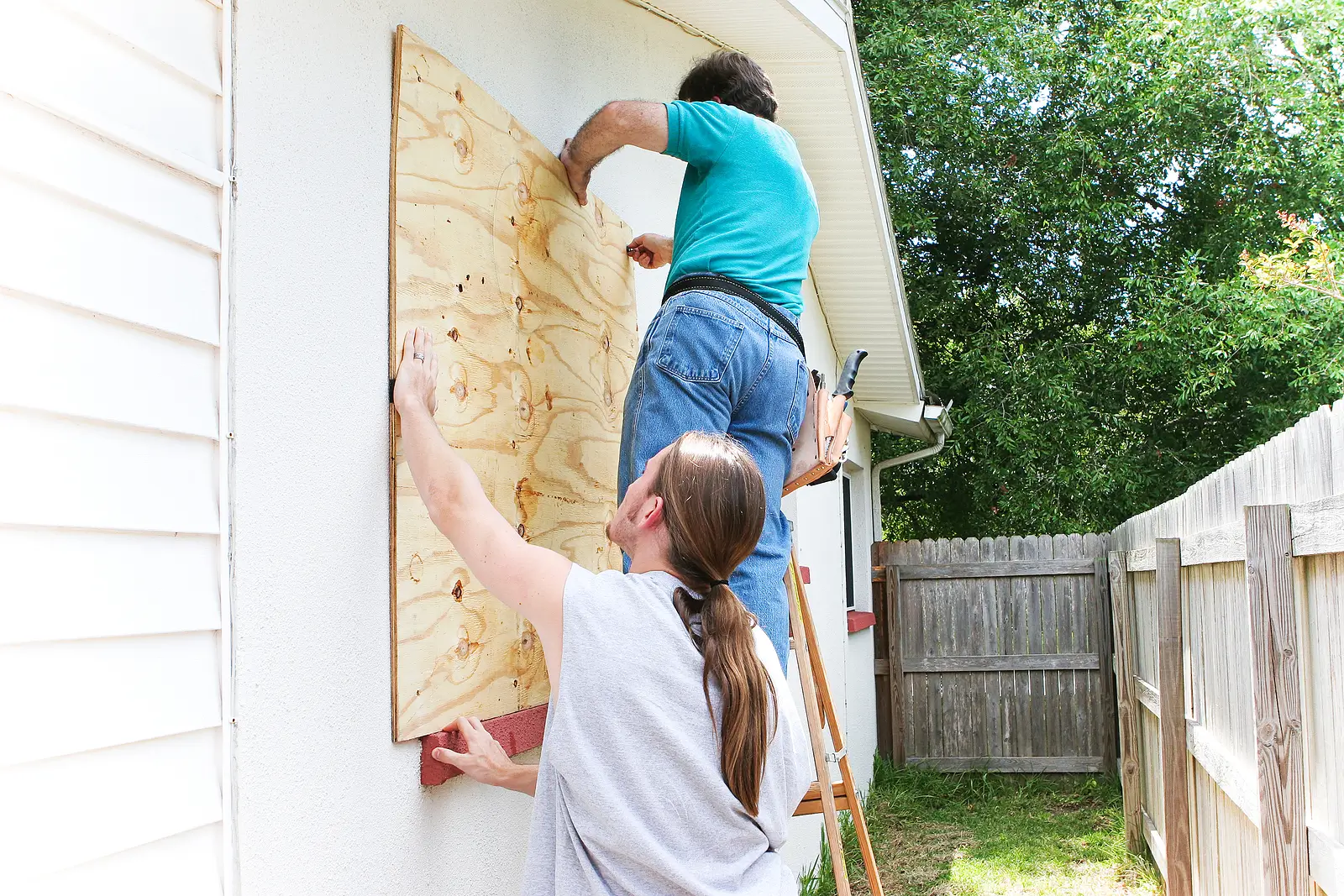
A dark line of thunderstorms rolling in off the Atlantic isn't a maybe for Merritt Island landlords. It's a June-through-November certainty. Every rental on the Space Coast will eventually face a named storm, and the owners who come out ahead aren't the ones who scramble for plywood when a watch is issued. They're the ones who settled three things months earlier: what the lease requires, what the insurance policy covers, and what the property itself can withstand.
Pairing that groundwork with our reliable property maintenance services closes most of the gaps before they open. Read on for the four areas that matter most before storm season arrives.
Key Takeaways
- Florida law requires landlords to maintain structural soundness year-round, but it doesn't mandate shutters or storm-proofing unless the lease says so.
- Wind and flood damage fall under separate policies with separate deductibles, so one hurricane can mean two claims.
- A pre-season property walkthrough and a documented photo record help move repairs and insurance claims along faster.
- Remote and military owners face the added challenge of needing eyes on the property when they can't be there themselves.
Know Your Legal and Lease Obligations
Florida law sets a structural floor for landlords, and a written lease addendum must cover everything above it before storm season begins.
What the Law Requires Structurally
Florida Statute 83.51 sets the baseline for what you owe your tenants structurally: a roof, windows, and doors that are sound, and a property that meets applicable building and housing codes. That's a year-round duty, not a storm-season one. The law doesn't require you to install hurricane shutters or board up windows unless your lease specifically requires it, which surprises many first-time owners.
What the Lease Should Assign to Tenants
What the law doesn't cover, a written addendum should. Before June 1, your lease needs a hurricane or casualty clause that puts reasonable, nonstructural duties on the tenant:
- Securing loose outdoor items before a storm arrives
- Giving access for storm prep and post-storm repairs
- Reporting damage promptly, rather than after it worsens
- Carrying renters insurance for personal belongings
Without that clause, none of those responsibilities exist on paper, and a silent lease becomes your problem the moment a storm hits.
Who Decides When the Home Becomes Uninhabitable
One piece isn't yours to assign. Under Florida Statute 83.63, if a storm damages the home badly enough that the tenant's use is substantially impaired, the tenant decides whether to terminate the lease, not you. Knowing this ahead of time changes how you respond after a storm, rather than during the stress of one.
Get Your Insurance Coverage Right
One hurricane can trigger two separate insurance claims, and knowing both deductible numbers before the season starts prevents a costly surprise later.
Wind and Flood Are Two Different Claims
Wind damage falls under your landlord policy. Flood damage, including storm surge, falls under a completely separate flood policy with its own deductible. Owners who assume one storm means one claim are usually the ones caught off guard when the paperwork splits in two.
How Percentage Deductibles Add Up
The wind side carries its own trap: percentage-based hurricane deductibles. On a home insured for $400,000 with a five percent hurricane deductible, you'd cover the first $20,000 of wind damage yourself before the policy contributes anything. Knowing that number before the season, not after the claim, changes how you budget for risk.
Flood Coverage Timing and Zone Checks
Flood coverage has its own timing problem. A new flood policy carries a 30-day waiting period before it takes effect, so buying one in mid-June often means no coverage until mid-July. Merritt Island's location between the Indian River and Banana River means you shouldn't assume distance from the Atlantic keeps you safe from flood risk. Checking your flood zone through FEMA's map service takes about ten minutes and settles the question for good. Photographing the property's condition before the season starts gives you a clear before-picture if a claim ever follows, and it's one of the simplest habits that speeds up recovery later.
Prepare the Property and Set Tenants Up to Respond
A pre-season walkthrough and a clear owner-tenant split keep small storm-season issues from turning into expensive ones.
Pre-Season Property Walkthrough
A pre-season walkthrough catches most of the small issues a storm would otherwise turn into bigger ones. Trim tree branches back from the roofline, clear gutters and downspouts, check for loose or missing shingles, and confirm any shutters or panels are on-site with working hardware.
These same fundamentals show up in our seasonal maintenance guidance, and revisiting it each spring keeps small issues from becoming six-figure ones.
Merritt Island's Flood Geography
Merritt Island's location between the Indian River and Banana River adds a layer most inland Florida properties don't deal with. Lagoon-adjacent homes carry flood risk that a standard wind policy won't touch, which is exactly why the flood-zone check covered above matters here specifically.
Dividing Owner and Tenant Responsibilities
Drawing a clear line between what you provide and what the tenant provides keeps expectations honest:
- Your side covers property-specific items: working shutoffs, functioning locks, and storm shutters if the property has them
- The tenant's side covers personal readiness: water, food, medication, and a few days of household supplies
A short, calm message at the start of the season keeps everyone aligned without overpromising. Cover the evacuation basics, your maintenance contact, and a reminder to bring in loose outdoor items before the first storm watch is issued.
Generator Safety Basics
If a tenant owns a generator, your lease and communications should include a reminder that it belongs outdoors, well away from windows, doors, and any enclosed space, such as a garage.
Why Remote and Military Owners Need a Local Partner
Distance is the real risk factor for owners who can't reach the property when a storm hits, and a local presence directly closes that gap.
The Local Contact Gap
Owning a rental property from out of state or while stationed elsewhere creates a specific vulnerability. When the power goes out and a decision needs to be made fast, there's no one there to make it. A tenant with a damaged roof and no local contact to call is a problem that compounds by the hour, not the day.
Someone needs to physically inspect the roof, yard, and access points before and after a storm and coordinate repairs in real time. That's exactly the gap a distant owner can't close alone.
PCS Season and Storm Season Overlap
For military owners, timing adds another wrinkle. PCS season and hurricane season overlap more often than not, which means a move can land right as a storm approaches. Owners navigating that overlap for the first time often find that a storm plan is just one piece of a bigger adjustment, especially if buying a first rental property is still a recent decision.
FAQs
1. Does Florida law require me to install hurricane shutters on my rental?
No. Florida Statute 83.51 requires structural soundness, like a sound roof and code-compliant components, but shutters and storm-proofing are only required if your lease specifically commits you to them.
2. Can I terminate a tenant's lease if my rental is damaged in a hurricane?
No, that decision belongs to the tenant under Florida Statute 83.63 if the damage substantially impairs their ability to use the home. You can discuss options with them, but the choice to stay or terminate is theirs.
3. Do I need separate flood insurance if my rental isn't directly on the coast?
Likely yes, since flood damage isn't covered under a standard wind or landlord policy, and Merritt Island's lagoon-adjacent geography puts many inland-seeming properties in a real flood zone. Checking the property's flood zone before assuming it's safe is worth the short time it takes.
4. What should I actually provide versus what should my tenant provide before a storm?
Your responsibility covers property-specific items like functioning shutoffs, locks, and storm shutters, while personal supplies like water, food, and medication fall to the tenant's household. A brief seasonal message to tenants keeps that division clear before a storm is on the radar.
Assigning the Right Lanes before the Season Opens
Hurricane preparedness for a Florida rental was never really one checklist. It's a division of labor between what the lease requires, what the insurance covers, and what the property can physically withstand. Owners who settle all three before June spend hurricane season monitoring the radar instead of scrambling through it.
At Bluefin Property Management, we've walked Merritt Island owners through that division season after season, and we know where the gaps tend to open for local, remote, and military owners alike. If your rental's storm plan still has an unassigned lane, we're ready to help you close it before the next one opens. Contact us today for a free consultation.
